Category: Travels

  • Ultimate Guide to the Everest Base Camp Trek

    Ultimate Guide to the Everest Base Camp Trek

    Everest Base Camp (EBC) Trek is one of the most fascinating and popular destinations in Nepal. 

    The EBC trek reveals us with four mountains, above 8000m, Mount Everest (8,848 m/29,035 ft) serving as the center of attraction of this bewitching destination.
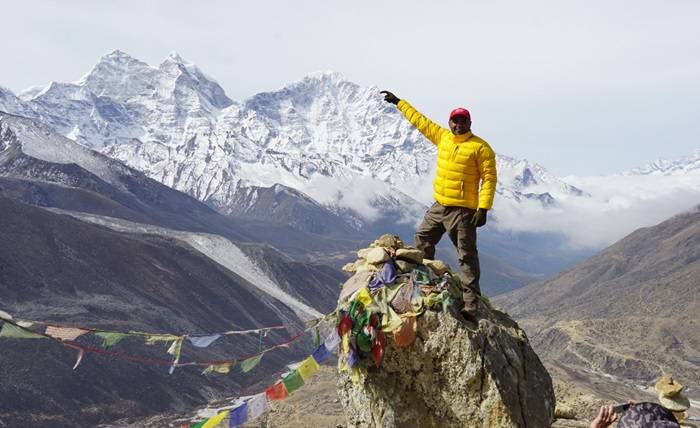
    Everest Base Camp trek is famous for its awe-inspiring mountain terrains, spectacular view of landscapes, and unique Sherpa culture, unlike vegetation and majestic animals lurking around.

    In this ultimate guide, we will shower you with all the significant information and indispensable details you require to make your Everest Base Camp Trek a successful and memorable experience.

    Brief Everest Base Camp Trek Outline

    One of the most breathtaking and frequently visited trekking destinations in Nepal is the Everest Base Camp trek. 

    Withstanding still, in between ever-changing weather and majestic mountains, which are nestled at an altitude of 5,364 m/ 17,598 ft, this trekking offers trekkers elevated and sublime luxury experiences of the Himalayas. 

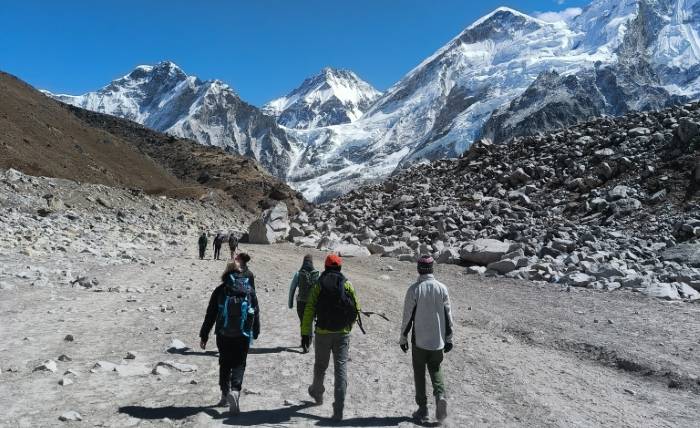
    The EBC trek offers a lifetime experience to trekkers, insight into unique sherpa culture, an alluring lifestyle, beautiful villages, glaciers, and a wide panoramic view of Mountains, Monasteries, enchanting flora and fauna.

    Luxury Experience and Elevational Triumph in the Everest Base Camp Trek

    Just above Everest Base Camp (EBC), you can aim towards Kala Pathhar (5,545m/18,192 ft) to witness a close panoramic view of:

    • 4 mountains (Mount Everest, the Highest Mountain in the World”, Lhotse, Makalu, and Cho Oyu above 8000m.
    • 2 mountains (Mount Pumori, and Nuptse) above 7000m
    • 2 mountains (Mount Ama Dablam, “Queen of Mountains”, and Thamserku) above 6000m. 

    Moreover, you embark on your trekking journey on the trails of Sagarmatha National Park which is a UNESCO-listed World Heritage Site, along with the succulent experience of a lifetime.

    Along with the majestic view, you could witness flora in the lower alpine region enriched with rhododendron, oak, blue pine, and wild roses, and fauna that includes rare mammal species like musk deer, red panda, Himalayan black bear, and if fortunate enough insight to majestic snow leopard. 

    In the trekking voyage, you have the chance to witness many captivating hills, lakes, glaciers, streams, beautiful places, and panoramic mountain views.

    The Sherpa villages mainly exceptional Namche Bazaar (3,438 m/ 11,280 ft) – also the gateway to the Everest Base Camp (EBC) trek, accompanied by Tengboche Monastery, the biggest Monastery in Khumbu

    Trekking Routes 

    As awe-inspiring as trekking towards an altitude of 5364m sounds, it is more thrilling at the beginning, starting the voyage from Lukla Airport (2,846 m/9,337 ft), which is the world’s most dangerous airport in the world. 

    You can also start your journey traveling through Kathmandu to Phaplu Airport (2,413m/7,916 ft), to experience distinct vegetation, diverse scenery, and unique culture, along with a venturesome journey. 

    However, if you are more of an adventure lover, a daring wanderer, have enough time, and like to visit through land routes then there are other alternatives. 

    You can easily hire a Jeep either from Kathmandu to Panggom, an elevation of 2,946 m/9,698 ft, or from Kathmandu via Kharikhola to Paiyan, nestled at an altitude of 2,830 m/ 9,284 ft.

    One can start their journey from around an elevation of 2,400 m/ 7,874 ft up to Kala Pathhar, nestled at an altitude of 5,545m/18,192 ft.

    Distance and Duration

    The trek duration is usually about 12-14 days or could be escalated to an 18-21 days’ timeframe. 

    The Khumbu region presents with Everest Base Camp trek, three passes, peak climbing, and an expedition; an epic sightseeing and unforgettable experience.

    All the trekking routes start and end at the Lukla, covering a distance of 51 kilometers (32 miles), and an overall round trip of 102 kilometers (64 miles).

    Accommodation and Services 

    Most of your trekking packages will include all the accommodations along with Breakfast, Lunch, and Dinner (BLD) services. 

    You will spend your night mostly in guest houses or tea houses, as the elevation increases the service reduces. 

    Other amenities like flush toilets, and hot shower facilities are also available during the stay nevertheless once you cross Namche Bazaar, it will be a challenge to your perseverance and willingness to complete the trekking. 

    Insurance, Permits, and Deposits for the Everest Base Camp 

    All the trekking destinations in Nepal need certain permits to visit, most of your permits are handled by your tour operators. 

    However, if you are a Free Individual Traveler (FIT) the Everest Base Camp trek demands a Khumbu Rural Municipality permit and a Sagarmatha National Park permit.  

    You can acquire your travel insurance before coming or after visiting Nepal. 

    There are other charges such as guide insurance and garbage deposit fare that you need to remunerate if you are enthusiastic about climbing peaks and expeditions.

    Difficulty Level and Fitness Required for Successful Trek

    Everest Best Camp trek elevates at an altitude of 5364m, though if we keep ascending to a higher altitude level, the surrounding air keeps getting thinner.

    The difficulty level of the trek is quite moderate, one can easily trek to the base camp with careful breathing and slow pacing, walking between 5-8 hours every day.

    Therefore, you might always be ready to face consequences like mild headaches, altitude sickness, unable to eat food, and other gastronomical consequences.
    Before you start the trek, you must prepare to improve your stamina, doing cardiovascular activities, and breathing techniques, ensure your health and fitness, and learn safety tips that would prove quite fruitful in the trekking.

    Seasonality and Best Time to Trek in the Everest Base Camp

    Every season offers a warm welcome and the possibility to embark on a natural beautiful journey.

    The trails change from a dense lush evergreen structure to a thin barren deciduous composition.

    The best time to trek Everest Base Camp is in Spring and Autumn season. The weather breakdown can be studied as:

      • March to May – Spring Season – Peak Season, busy and occupied route, trending for Everest and Peak Summit.
    • June to August – Monsoon – Off-season, trails are not quite crowded.
    • September to October- Autumn- Clear and stable weather, mostly crowded.
    • November to January- Winter- Cold and snowy weather, difficult to trek, risky.

    Important Clothing and Additional Accessories 

    The first and foremost thing you need while trekking around Everest Base Camp trek is knowledge about the surroundings, endurance, and the tendency to challenge its beautiful yet, unforgiving harsh weather. 

    Consequently, you will need protective clothes, breathable gear, equipment, and accessories to withstand its despicable environment. 

    Some of the gears and accessories could be:

    • 2 pairs of rips-off pants, changeable to shorts
    • 2 long sleeve breathable dry shirts
    • 1 polar fleece pants and sweater
    • 1 pair thermal Lycra long sleeve and pants
    • 1 breathable sweatshirt
    • 6 pairs of North Face Thermal Socks
    • 5-6 pairs of breathable dry underwear
    • 1 waterproof down Jacket
    • Cap
    • Winter thermal Cap 
    • Beanie
    • Gloves
    • Neck Gaiters
    • 50L-60L Bag
    • Headlamp
    • Hat
    • Sunblock
    • Moisturizing Cream
    • Watch
    • Sunglasses
    • Insta 360
    • Camera gear and electronics
    • Water Bottle
    • Power bank
    • Extra Battery

    Basic Short Simplified Itinerary for the EBC Trek

    Life in the mountains is thrilling and beautiful, harsh and joyful, painful and ecstatic. However, it also demands us to become more enriching, and adventurous. 

    Here is the short and simplified itinerary of the EBC Trek:

    Day 01: Arrival in Kathmandu (1,350m/4,429 ft), Transfer to hotel.

    Day 02: Fly to Lukla Airport(35-40mins) and trek to Phakding (2,800 m/9,187 ft), around 4-5hours. Overnight at Guesthouse.

    Day 03: Trek to Namche Bazaar (3,438 m/11,280 ft), around 5-6 hours, Overnight at Guesthouse.

    Day 04: Acclimatization Day @ Namche Bazaar- the gateway to EBC, Sightseeing.

    Day 05: Trek to Tengboche (3,870 m/12,697 ft), around 5-6hrs, walk, Overnight at Teahouse.

    Day 06: Trek to Dingboche (4,360 m/14,305 ft), around 5-6hrs, walk, Overnight at Teahouse.

    Day 07: Trek to Lobuche (4,940 m/16,208 ft), around 5 hrs walk, Overnight at Teahouse.

    Day 08: Trek to Everest Base Camp (5,364 m/17,598ft)  via Ghorak Sherp(5,190 m/ 17,027 ft), around 7-8hrs, walk, overnight at Gorak Sherp Teahouse.

    Day 09: Early morning trek to Kala Pathhar (5,545 m/18,193 ft), descend to Pheriche(4,240 m/ 13,940ft), around 7-8hrs walk, Overnight at Teahouse.

    Day 10: Descend, trek to Tengboche (3,870 m/12,697 ft), around 5hrs walk, Overnight at Teahouse.

    Day 11: Trek to Namche Bazaar (3,438 m/11,280 ft), around 5hrs walk, Overnight at Guesthouse

    Day 12: Trek back to Lukla (2,800 m/ 9,187 ft), around 7 hours walk, Overnight at Guesthouse.

    Day 13: Flight back to Kathmandu via Lukla Airport(35-40mins), transfer to hotel.

    Day 14: Token of love, bid farewell, enroute to the TIA Airport, final departure.

    Conclusion

    Everest Base Camp trek is one of the perceptional changing treks that surmises thousands of people’s stories, has changed lives, impacted, touched, and healed thousands of people’s life stories. 

    Mountains have always put people’s comfort, way of life, and mentality to the test. Thousands of tourists visit EBC each year, and as this crowd increases each year, the responsibility to sustain this destination for a long time also escalates. 

    If you are striving to outgrow your comfort zone, Everest Base Camp trekking will help you challenge your endurance, introduce you to uniquely aesthetic culture, and push you toward a higher level.

    Why not experience the responsible and awe-inspiring journey of a lifetime? Why not embark on a challenging yet beautiful journey?
  • What you need to know before traveling to Nepal?

    What you need to know before traveling to Nepal?

    Nepal is without a doubt one of the most beautiful countries in the world.

    Nepal is a renowned tourist destination for many reasons, most notably for its spectacular mountain ranges.

    The country is home to some of the world’s highest peaks, including the iconic Mount Everest, which consistently attracts adventurers and trekkers from around the globe.

    From the towering heights of Mount Everest to the depths of the Kali Gandaki Gorge, and even to the world’s highest lake, Tilicho Lake, Nepal offers some of the most incredible natural landscapes on the planet.

    However, Nepal’s appeal is not limited to its natural beauty.

    The country also boasts a rich, deep-rooted history, vibrant culture, and timeless traditions.

    Its cultural heritage is as captivating as its landscapes, with numerous iconic religious sites that draw travelers from all over the world.

    Many visitors come to Nepal specifically to explore these spiritual and historical treasures.

    Given the country’s diverse array of attractions, from its stunning natural landscapes to its rich cultural heritage and thrilling adventure activities, proper planning before travelling to Nepal is essential.

    This preparation can help ensure that your visit is both safe and thoroughly enjoyable.

    Here is a guide as What you need to know before traveling to Nepal?

    Visa Entry Requirements for Traveling to Nepal

    Before traveling to Nepal, it is crucial to understand the visa requirements and ensure you have the necessary documentation for entry.

    Verify the visa requirements for your country of origin.

    Depending on your nationality and the purpose of your visit, you may need a visa to enter Nepal.

    You can obtain a visa upon arrival at Kathmandu Airport or at border crossings if traveling overland, this process can take up to an hour, especially during peak travel season of Nepal (September-May).

    Alternatively, you can obtain a visa in advance through a Nepalese embassy or consulate in your home country.

    Your passport must be valid for at least six months from your date of entry into Nepal.

    You need to show proof of onward travel out of Nepal, such as a return ticket or a ticket to another destination.

    It is advisable to arrange for a visa before entering the country to avoid delays. Consult your local Nepalese consulate for detailed instructions.

    The type of visa required and the length of stay permitted can vary based on the purpose of your visit, such as tourism, business, or study. Make sure to research the specific requirements for your situation.

    Ensure your passport has at least two blank pages for visa stamps and carry the required amount of money for the tourist visa fee.

    Carry a passport-sized photo for your visa application.

    For the most accurate and up-to-date information on visa requirements and application processes, visit the website of the Nepalese embassy or consulate in your home country, or the Nepalese Ministry of Foreign Affairs website.

    Understand the visa requirements well before your trip to ensure a smooth and hassle-free entry into Nepal.

    Visa requirements can change, so check the latest entry requirements close to your travel date.

    By following these guidelines, you can ensure that you have all necessary documentation and information to facilitate your entry into Nepal.

    Avoid Solo Trekking in Nepal

    Tourism is vital to Nepal’s economy, with the country’s magnificent Himalayas being a major attraction.

    Nepal is home to eight of the world’s 14 tallest peaks, including Mount Everest, which stands at 8,848 meters.

    Many travelers visit Nepal primarily for the trekking experience.

    Since 2009, the Trekking Agencies Association of Nepal has discussed banning solo treks for the safety of trekkers.

    Recently, the Nepal Tourism Board implemented a rule, effective from April 1, 2023, banning solo trekking on 44 trails across the country.

    This regulation mandates that trekkers must hire guides and obtain trekking permits (TIMS) to ensure safety and proper management of the routes.

    However, despite this ban, solo trekking remains permitted in the Everest region, including the popular Everest Base Camp trek, but with specific conditions.

    Trekkers in the Everest region is still required to obtain the necessary permits, such as the Khumbu Pasang Lhamu Rural Municipality permit, but they can proceed without a guide.

    This exception allows more experienced trekkers to explore the Everest region independently, while still adhering to local regulations.

    Trekkers must obtain a “Trek Card,” costing Rs 2,000 per individual, available at the Lukla counter or in Jorsale.

    Additionally, a Sagarmatha National Park Permit is required, costing Rs 3,000 for trekkers from third countries and Rs 1,500 for those from SAARC countries.

    The routes in the Everest region where solo trekking is allowed include:

    Everest Base Camp, Chola Pass Trek, Three Passes Trek, Gokyo Valley Trek, etc.

    Up-to-Date Currency information

    The official currency of Nepal is the Nepalese Rupee (NPR).

    It is not widely accepted outside the country, so you will need to obtain it once you arrive.

    Tribhuvan International Airport in Kathmandu has a 24-hour bank exchange counter. Kathmandu offers numerous official exchange services, including exchange houses and most banks.

    Cash withdrawals using credit cards are available but not everywhere.

    For convenience and the best exchange rate, it is recommended to exchange all the money you will need for your Nepal tour before leaving Kathmandu.

    Travel Insurance for Nepal

    Travel insurance that covers medical expenses, including evacuation and repatriation, is crucial and highly recommended for travelers to Nepal.

    Travel insurance provides financial protection against unexpected events such as medical emergencies, trip cancellations, and lost or stolen luggage.

    This coverage can help cover the cost of medical expenses, emergency evacuations, and other unforeseen expenses that may arise during your trip.

    When selecting a travel insurance policy, carefully review the coverage options and exclusions to ensure the policy meets your needs.

    Consider factors such as your health, the destination, and the length of your trip.

    It’s especially important to choose a policy that includes medical evacuation and hospital stays, given the varying quality of healthcare facilities in Nepal, particularly outside major cities.

    Check if your existing health insurance policies provide adequate coverage for international travel. If not, consider purchasing additional travel health insurance to ensure you are fully protected.

    By taking these steps, you can ensure you are well-prepared for any situation that may arise while traveling in Nepal.

    Cultural Etiquette in Nepal

    Cultural etiquette plays a significant role in ensuring a positive and respectful experience when traveling to Nepal.

    Being considerate of Nepali customs, traditions, and values demonstrates respect for the local culture and fosters positive interactions with the people you encounter.

    Whether it’s greeting others with a respectful “namaste,” dressing modestly, observing temple etiquette, or being mindful of social norms regarding public displays of affection and photography, adhering to cultural etiquette is essential for a harmonious and enriching travel experience in Nepal.

    By embracing and respecting Nepali customs, travelers can deepen their cultural understanding and forge meaningful connections with the local community.

    In Nepal, people greet each other with a “Namaste,” which means “the divine spirit in me bows to the divine spirit in you.” This gesture is made by pressing the palms together in front of the chest and bowing slightly.

    Nepal is a spiritual and religious country, and modesty in dress is highly valued.

    When visiting religious sites or rural areas, it is important to wear conservative clothing.

    Avoid wearing revealing clothing or exposing your legs or shoulders.

    Always remove your shoes before entering a religious place, temple, or someone’s home.

    In Nepali culture, feet are considered impure. Avoid pointing with your feet or touching someone with your feet, as it is seen as very disrespectful.

    The left hand is considered impure or unclean. Avoid using it when performing rituals, eating, or handling food.

    Public displays of affection, such as kissing or hugging, are generally considered inappropriate and are frowned upon in Nepali society.

    Be respectful when taking photographs, especially at religious sites or of people. Always ask for permission before taking photos, particularly of individuals, paintings, or murals.

    Be mindful of local customs and values, and act with respect and consideration when visiting Nepal. This will help you show appreciation for the culture and ensure a positive experience for both you and the locals.

    Vaccinations

    Before traveling to Nepal, it is essential to check for any health warnings or vaccinations required for the specific destination and activities.

    Receiving vaccinations can help reduce the risk of contracting viruses and spreading them to others, as well as protect against severe illness.

    This is particularly crucial in the context of the COVID-19 pandemic.

    Getting vaccinated against COVID-19 is a vital consideration for travelers worldwide.

    Before traveling to Nepal, it is advisable to check with a healthcare provider and local health authorities for the most up-to-date information on COVID-19 vaccines and travel requirements.

    In addition to COVID-19 vaccination, travelers to Nepal should also consider vaccines for common illnesses such as yellow fever, typhoid, and hepatitis A.

    These vaccinations can provide protection against diseases commonly found in the region.

    Checking vaccination requirements and receiving necessary vaccinations before traveling is the best travel advice for ensuring a safe and healthy trip to Nepal.

    Consulting with healthcare professionals and staying informed about health recommendations can help you prepare adequately for your journey to Nepal.

    Best Time to Visit Nepal

    The ideal time to visit Nepal varies depending on the type of activity you’re interested in, as the country experiences four distinct seasons: summer/monsoon, spring, autumn, and winter.

    Trekking and Mountaineering

    For trekking and mountaineering in the high mountain ranges, the best time is from September to November. During this period, the weather is warm, clearer and more stable, offering excellent visibility and comfortable temperatures.

    Wildlife Watching

    To observe wildlife in Nepal, the best time is from October to March. During these months, the animals are easier to spot, and the weather is dry, best for wildlife viewing experiences.

    Cultural and Heritage Tours

    Any time of the year is suitable for cultural and heritage tours in Nepal.

    However, the best time to visit the Kathmandu Valley is from September to November. During this period, the weather is pleasant, and visibility is clear, enhancing the experience of exploring the region’s rich cultural heritage.

    Rafting and Adventure Sports

    For rafting, adventure sports, or other water activities in freshwater rivers, the best time is from September to June. During these months, water levels are high, providing optimal conditions for outdoor water activities.

    Before planning your trip to Nepal, it is highly recommended to check local weather conditions and seek advice from local travel agencies.

    This will help you plan your visit accordingly and ensure a safe and enjoyable experience in Nepal.

  • Explore the Stunning culture of Bhutan with Druk Asia 

    Explore the Stunning culture of Bhutan with Druk Asia 

    Bhutan is an isolated country in south-central Asia. It is a stunningly wonderful and remarkable country, with sweeping, breathtaking mountain views, verdant forests, and rivers and streams that are perfectly clean. It is widely recognized for being one of the world’s most remote and undeveloped nations, with a unique culture, history, and incredible natural splendor.

    They are famous as the land of thunder dragons. Their culture is unique and attracts many tourists. Bhutanese culture is based on their Buddhist beliefs and it reflects on their daily life. They lead a very simple lifestyle in their country and are very welcoming to outsiders. Bhutanese culture is heavily emphasized by inner happiness and that’s how they are structured based on principles. They value their elders, their own people,, and the environment. Bhutan is a very blessed country with magnificent beauty and attractive tourist spots. 

    Do you want to traverse Bhutan tour places but are not sure how? 

    Then DrukAsia is the right option for you. 

    About DrukAsia : 

    DrukAsia is a very well-known tour agency in the land of Bhutan they also operate in their neighboring countries too. 

    They are the official agent of DrukAir, a national airline in Bhutan. 

    DrukAsia has been operating its quality service since 2009. They also own a license to work for Bhutan tour destinations. With the goal of making their tourists welcome and at ease whenever they visit Bhutan. They make sure that their tourists are enjoying and learning the cultures and history of Bhutan. They provide the best tour guides who know how to create memorable experiences in Bhutan. They also handle visa, arranges a hotel to stay also helps to book air tickets. 

    The agency provides different types of packages from cultural to treks and retreats. 

    They have a Bhutan tour package, especially for people who want to learn about their cultures. 

    In the package – 

    7 days bhutan tour with Haa Valley – 

    This involves the green valley of Paro, their capital Thimphu and the old capital Punakha. 

    8 days magical Bhutan travel plan – 

    It covers from the East to the west side of Bhutan. opportunity to explore Bhutan’s magical spots. 

    11 day cultural tour travel plan – 

    In this package, you will be able to witness paper making, a day trek to tango goemba and a picnic by a river. 

    4 days discover Bhutan – 

    It is a short package for those who do not have time but still want to enjoy Bhutan.  

    15 days east to west cultural tour and flight to Yonphula – 

    In this package, you can travel by Bhutan’s domestic flight and have a complete tour of all Bhutan tour places. 

    6 days 5 nights Chinese new year – 

    It is a good way to enjoy the Chinese New Year in Bhutan. 

    7 days Bhutan glamping tour – 

    Glamping is a term for camping that is done in a glamorous way. This is very popular these days among travelers. And there is nothing better than enjoying glamping in Bhutan.

    All their packages can be customized and can fit according to tourists’ budgets. So you can check them out through their websites. 

  • Unleash the rider in you with BM travels adventure Vietnam’s exclusive packages 

    Unleash the rider in you with BM travels adventure Vietnam’s exclusive packages 

    In Vietnam, Motorbike tours are becoming increasingly popular as a way to explore new locations and experience the joys of traveling on two wheels. As they are known for motorbikes. So the Young adults are utilizing the chance and sharing their experiences with the tourists that come to explore the beauty of Vietnam in a unique way.

    There is a range of motorbike tour agency packages available, offering different levels of service and experiences. Whether you’re a novice rider or an experienced biker, there’s something for everyone.

    If you’re looking for an all-inclusive package, check out BM TRAVELS ADVENTURE VIETNAM, which offers full-service motorbike tours, typically including the rental of a motorbike, fuel, meals, accommodation, and a guide to lead the way. The route and itinerary will be tailored to your preferences, and the agency will help you plan and book everything you need for a successful and enjoyable trip.

    Self-guided motorbike tours are a great option for those who want to explore at their own pace. This type of tour allows you to choose your own route and explore without a guide. You can create your own itinerary and plan your own stops and attractions, so you can get the most out of your journey. BM Travels will provide you with the motorbike, fuel and accommodation, and a support team who can provide assistance if needed.

    For those who prefer the convenience of a guided tour, a range of guided motorbike tours is available. This type of tour will take you to a variety of destinations and attractions, and you will be accompanied by an experienced rider who will provide advice, assistance, and guidance. This is a great way to get the most out of your touring experience as the guide can help you make the most of your journey.

    For a more adventurous motorbike tour, we also offer off-road and dirt bike tours. These trips are designed to take you off the beaten track and into some of the most stunning and remote locations. These tours are usually tailored to the individual’s skill level and will involve a combination of on and off-road riding, often with the assistance of a guide.

    Here are some more services that you need to know – 

    Off-road Enduro Tours          

    Pillion Tours

    Super Enduro Tours

    Vietnam Caravan Tours

    Vietnam Adventure Motorcycle Tours

    Guided motorcycle tours

    Self-guided motorcycle tours

    Vietnam 4×4 Tours

    You are always welcome to go through the options and know what you would like to choose for your Vietnam motorbike tours. 

    Our multiple language expert tour guides are always ready to provide you with your desired packages.

    No matter which type of Vietnam motorbike trip you choose, it’s important to ensure that you are properly prepared for the journey. Make sure you have the right safety gear, such as helmets and protective clothing, and that you are familiar with the rules and regulations of the road. It’s also important to check the weather forecast and plan your route accordingly. With the right preparation and the right tour agency, you’ll have an unforgettable experience on two wheels.

  • A Beginners Guide to RV Camping

    A Beginners Guide to RV Camping

    If you’ve never been RV camping before, the prospect of doing so may seem a little daunting. But with a bit of preparation and some basic knowledge, it can be a fun and rewarding experience. Here are some tips to help you get started.

    What is RV Camping

    RV camping is a type of camping where you bring your own vehicle, which is often referred to as an RV (recreational vehicle). This vehicle serves as both transportation and lodging and comes equipped with features like a kitchen, bathroom, and sleeping quarters. This allows you to camp anywhere you want without having to set up a traditional campsite.

    Decide What Type of RV You Need

    There are many different types and sizes of RVs available on the market. It’s important to choose one that’s best suited for your needs. For example, if you’re planning on doing a lot of off-road camping, then you’ll need an RV that’s designed for that purpose. If you have a large family, then you’ll need an RV with enough sleeping and living space to accommodate everyone comfortably.

    Consider Renting an RV

    If you’re not sure if RV camping is for you or if you don’t want to make the initial investment, then consider renting an RV. This will give you a chance to try out RV camping without making a long-term commitment. Many campgrounds and RV parks also offer rental RVs on-site.

    Tips for Staying Safe While RV Camping

    RV camping can be a fun experience, but it’s important to take some safety precautions while you’re doing it. Here are a few tips to help you stay safe while RV camping.

    • Make sure you know how to operate your RV before you go camping. This includes knowing how to set up and break down the RV, how to use the appliances, and how to properly hook up the utilities.
    • Be aware of your surroundings at all times. When you’re setting up camp, be aware of where you’re placing the RV to avoid obstacles like low-hanging branches. When you’re driving, be aware of other vehicles and pedestrians.
    • Practice good hygiene while RV camping. This includes washing your hands often, cooking food properly, and storing food properly.
    • Be prepared for emergencies. This means having a first-aid kit on hand and knowing how to use it. It also means knowing where the nearest hospital or medical facility is located.

    How to Set Up Your RV Campsite

    When you’re setting up your RV campsite, it’s important to take into account a few things. Here’s how to set up your campsite safely and efficiently.

    Choose a Safe Location

    When choosing a location for your campsite, make sure to pick an area that is level and free of obstacles. This will help to prevent your RV from tipping over or hitting something while you’re setting up camp.

    Park in a Designated Camping Area

    If you’re camping in a public campground, make sure to park your RV in a designated camping area. This will help to avoid any conflict with other campers.

    Hook Up the Utilities

    Hooking up the utilities to your RV is an important part of setting up camp. Make sure to do this before you start using any of the appliances in your RV.

    Set Up Your Camping Gear

    Once you have your RV set up, it’s time to start setting up your camping gear. This includes things like your tent, camp chairs, and other gear.

    What to Pack When RV Camping

    When RV camping, it’s important to pack the right gear to make your trip more comfortable and enjoyable. Some of the essentials you’ll need to pack include:

    Camping Gear

    When RV camping, you’ll need to bring along your camping gear. This includes things like a tent, camp chairs, a camp stove, and other gear.

    Clothing

    It’s important to pack the right clothing when RV camping. Make sure to bring clothes that are comfortable and appropriate for the weather.

    Food and Water

    One of the most important things to pack when RV camping is food and water. Make sure to pack enough food and water for everyone in your party.

    First-Aid Kit

    It’s always a good idea to pack a first-aid kit when RV camping. This will help you be prepared for any minor injuries or illnesses that may occur while you’re on your trip.

    How to Clean Up After RV Camping

    Cleaning up after RV camping can be a daunting task, but it’s important to do it properly to avoid any health hazards. Here are a few tips for cleaning up your campsite properly.

    Clean Up the Campsite

    The first step in cleaning up your campsite is to clean up all of the debris and garbage. Make sure to pick up all of the trash and put it in the proper receptacles.

    Dispose of Waste Properly

    When RV camping, you’ll need to dispose of your waste properly. This includes things like human waste, greywater, and black water.

    Clean Your RV

    After you’ve cleaned up your campsite, it’s time to clean your RV. Make sure to clean all of the surfaces in your RV, as well as the appliances and fixtures.

    Restock Your RV

    Once you’ve cleaned up your RV, it’s time to restock it with food, water, and other supplies. This will help you be prepared for your next RV camping trip.

    RV camping can be a fun and enjoyable experience, but it’s important to take into account a few things before you head out on your trip. In this article, we’ve provided a beginner’s guide to RV camping that includes tips and tricks for setting up camp safely and efficiently. We’ve also included a list of what to pack for your trip, as well as how to clean up after your camping trip. following these tips will help you have a safe and enjoyable RV camping experience.